The Taliban claimed total victory after the path was open for them through the Doha agreement between them and the United States, but there was a problem for them “The Women of Afghanistan”
When the Taliban returned to power in Afghanistan in August 2021, they did not merely seize control of a government, they took away the futures, dreams, and dignity of millions of Afghan women. Over the past four years, Afghan women have endured some of the harshest restrictions in recent history of humanity. The bans on girls’ education, prohibitions on women working or traveling without male guardians, not allowed to speak in public and enforced dress codes are part of a deliberate strategy to erase women from public life.
For many women, the collapse of the Republic meant losing a hard-won space to learn, work, and participate socially. Countless girls, once full of hope, have been confined to their homes, with education forcibly halted. Yet Afghan women have not yielded. They have quietly organized underground schools, led social media campaigns, and taken to the streets despite threats of imprisonment and violence. These acts of defiance, while dangerous, have forced the Taliban to respond sometimes with repression, sometimes with symbolic gestures and have kept international attention on their oppressive policies.
In April 2025, the harrowing story of Abida, a 20-year-old from Ghor province, shocked the nation. Facing relentless coercion to enter a forced marriage with Mohammad Azim, the brother of a Taliban commander, Abida set herself on fire to escape. Her desperate act, fueled by the violence against her family, became a symbol of the brutal toll of Taliban oppression and amplified global calls for justice.
Despite the threats, arrests, torture, oppressive rule, brutal and inhumane killings, the world’s one-sided dealings with the Taliban, and the intelligence support they receive, Afghanistan’s resistance still breathes. Armed fighters in the mountains and plains, women in the streets and underground networks, behind closed doors, in virtual spaces, and at international forums, they’ve all made sure the world hears their voices, refusing to let Afghanistan’s plight fade into oblivion.
Alongside resistance of women inside Afghanistan,women’sactivists have built strong global networks, collaborating with human rights organizations, UN bodies, and civil society groups to document Taliban abuses. This evidence has been critical in pushing international institutions to adopt resolutions, conduct hearings, and pursue legal accountability. Notably, the International Criminal Court has opened investigations into Taliban crimes, signaling the first steps toward justice. The recent court- issued arrest warrants for two senior Taliban leaders have reignited hope among a wide spectrum of groups inside and outside Afghanistan. Yet, they have also exposed and intensified rifts within the movement. For years, the Taliban prided themselves on their unity a hallmark now visibly fracturing. The deeper these divisions run, the greater the prospects for a genuine political process to take root
Nevertheless, the Taliban’s brutal repression continues unabated, with media censorship and crackdowns limiting the movement’s reach inside Afghanistan. The international community’s response remains inadequate, often limited to verbal condemnations without meaningful actions to alleviate women’s suffering or support their resistance.
Since the Taliban’s takeover, Afghan women have been living through an extraordinary chapter of their lives, one that sets them apart not just from other women around the world, but from humanity as a whole. It’s here that the voice of resistance has managed to shine a light on their unique struggle, even though resistance itself isn’t limited to women alone. Yet, it’s the women who have crafted the most powerful narratives of defiance. They’ve not only raised their own voices and exposed the true face of the Taliban, but they’ve also stood shoulder-to-shoulder with all who resist, using every platform available to amplify their call for justice and solidarity. Their efforts have kept the world’s conscience awake and have blocked any formal recognition of the Taliban. Sure, the Taliban remain in power, undefeated, but they haven’t won either. The fight goes on.
Unity among diverse groups of women and men, across different platforms, combined with strong coordination between women inside Afghanistan and those in exile, is essential. Increased pressure on the Taliban by institutions such as the ICC, ICJ, UN Human Rights Council, EU, regional countries, and the UN Security Council can push them toward engaging in a genuine political process. Such a process was a core element of the Doha Agreement,yet the Taliban must not be allowed to selectively implement the parts that serve their interests while ignoring the rest.
For Afghans, and through consistent international engagement, women’s groups remain pivotal. Above all, rallying global support to prevent the Taliban’s recognition is critical. If Afghanistan’s fighters for justice succeed in building a united movement—while sustaining economic and legal pressure through targeted sanctions on Taliban leaders and working with the International Criminal Court to pursue war crimes and crimes against humanity—these efforts can create irreversible momentum.
Change is inevitable. A struggle rooted in justice, freedom, and human rights will prevail; it demands only unwavering commitment and resolve.
About the Authors
When the Taliban returned to power in Afghanistan in August 2021, they did not merely seize control of a government, they took away the futures, dreams, and dignity of millions of Afghan women. Over the past four years, Afghan women have endured some of the harshest restrictions in recent history of humanity. The bans on girls’ education, prohibitions on women working or traveling without male guardians, not allowed to speak in public and enforced dress codes are part of a deliberate strategy to erase women from public life.
For many women, the collapse of the Republic meant losing a hard-won space to learn, work, and participate socially. Countless girls, once full of hope, have been confined to their homes, with education forcibly halted. Yet Afghan women have not yielded. They have quietly organized underground schools, led social media campaigns, and taken to the streets despite threats of imprisonment and violence. These acts of defiance, while dangerous, have forced the Taliban to respond sometimes with repression, sometimes with symbolic gestures and have kept international attention on their oppressive policies.
In April 2025, the harrowing story of Abida, a 20-year-old from Ghor province, shocked the nation. Facing relentless coercion to enter a forced marriage with Mohammad Azim, the brother of a Taliban commander, Abida set herself on fire to escape. Her desperate act, fueled by the violence against her family, became a symbol of the brutal toll of Taliban oppression and amplified global calls for justice.
Despite the threats, arrests, torture, oppressive rule, brutal and inhumane killings, the world’s one-sided dealings with the Taliban, and the intelligence support they receive, Afghanistan’s resistance still breathes. Armed fighters in the mountains and plains, women in the streets and underground networks, behind closed doors, in virtual spaces, and at international forums, they’ve all made sure the world hears their voices, refusing to let Afghanistan’s plight fade into oblivion.
Alongside resistance of women inside Afghanistan,women’sactivists have built strong global networks, collaborating with human rights organizations, UN bodies, and civil society groups to document Taliban abuses. This evidence has been critical in pushing international institutions to adopt resolutions, conduct hearings, and pursue legal accountability. Notably, the International Criminal Court has opened investigations into Taliban crimes, signaling the first steps toward justice. The recent court- issued arrest warrants for two senior Taliban leaders have reignited hope among a wide spectrum of groups inside and outside Afghanistan. Yet, they have also exposed and intensified rifts within the movement. For years, the Taliban prided themselves on their unity a hallmark now visibly fracturing. The deeper these divisions run, the greater the prospects for a genuine political process to take root
Nevertheless, the Taliban’s brutal repression continues unabated, with media censorship and crackdowns limiting the movement’s reach inside Afghanistan. The international community’s response remains inadequate, often limited to verbal condemnations without meaningful actions to alleviate women’s suffering or support their resistance.
Since the Taliban’s takeover, Afghan women have been living through an extraordinary chapter of their lives, one that sets them apart not just from other women around the world, but from humanity as a whole. It’s here that the voice of resistance has managed to shine a light on their unique struggle, even though resistance itself isn’t limited to women alone. Yet, it’s the women who have crafted the most powerful narratives of defiance. They’ve not only raised their own voices and exposed the true face of the Taliban, but they’ve also stood shoulder-to-shoulder with all who resist, using every platform available to amplify their call for justice and solidarity. Their efforts have kept the world’s conscience awake and have blocked any formal recognition of the Taliban. Sure, the Taliban remain in power, undefeated, but they haven’t won either. The fight goes on.
Unity among diverse groups of women and men, across different platforms, combined with strong coordination between women inside Afghanistan and those in exile, is essential. Increased pressure on the Taliban by institutions such as the ICC, ICJ, UN Human Rights Council, EU, regional countries, and the UN Security Council can push them toward engaging in a genuine political process. Such a process was a core element of the Doha Agreement,yet the Taliban must not be allowed to selectively implement the parts that serve their interests while ignoring the rest.
For Afghans, and through consistent international engagement, women’s groups remain pivotal. Above all, rallying global support to prevent the Taliban’s recognition is critical. If Afghanistan’s fighters for justice succeed in building a united movement—while sustaining economic and legal pressure through targeted sanctions on Taliban leaders and working with the International Criminal Court to pursue war crimes and crimes against humanity—these efforts can create irreversible momentum.
Change is inevitable. A struggle rooted in justice, freedom, and human rights will prevail; it demands only unwavering commitment and resolve.
About the Authors
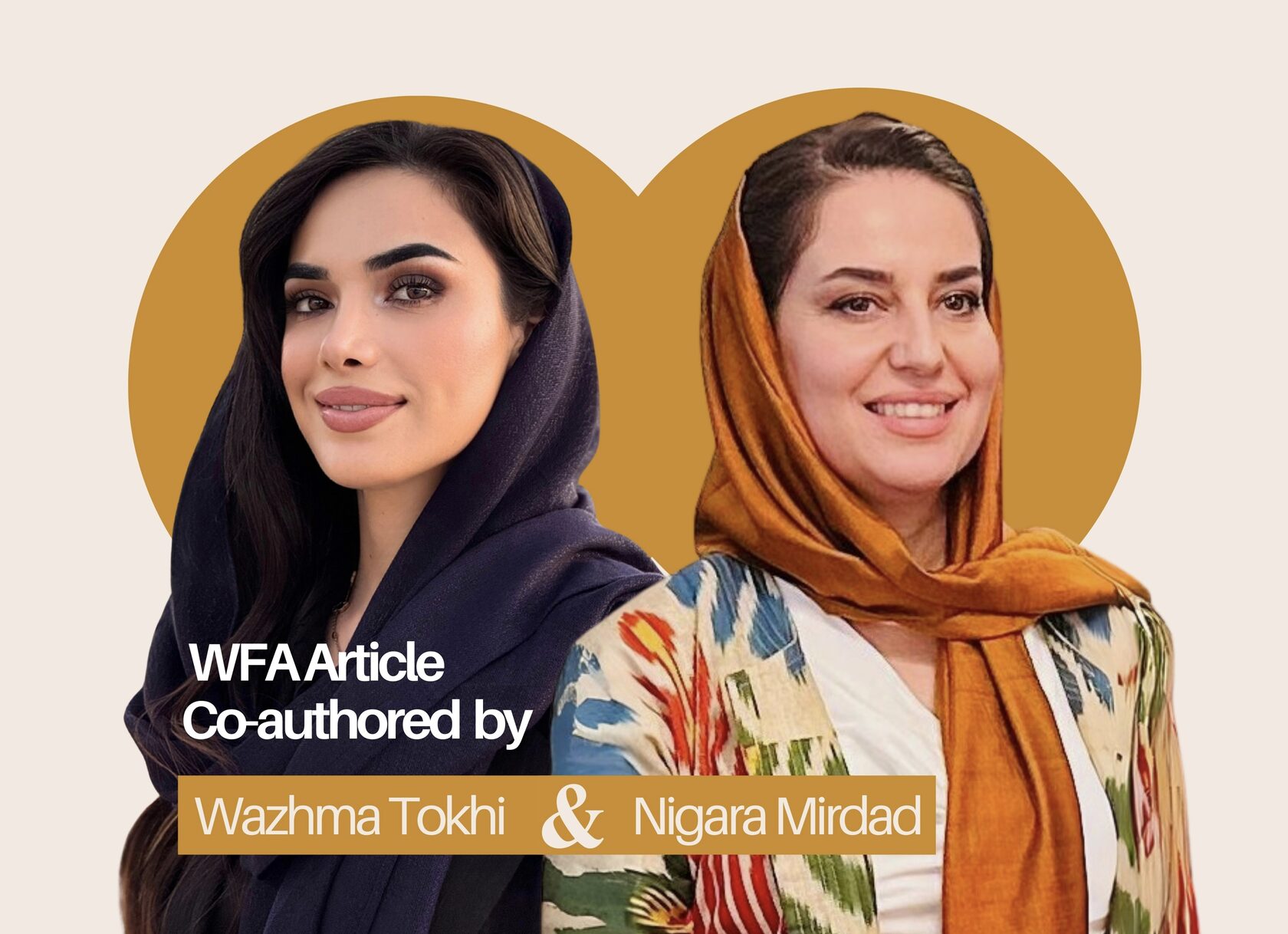
- Nigara Mirdad Diplomat, Social & Political Activist, Advocating for freedom, justice, and progress.
- Wazhma Tokhi, Founder of Pohana Fund and Women Rights Activist.